Vintage Rainbow: A Pro Review for Small Business Merch
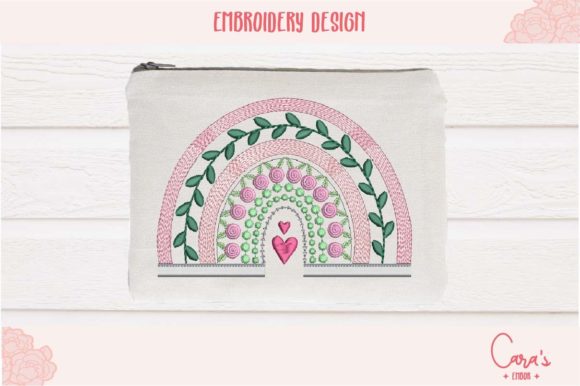
As an embroidery designer who has spent years digitizing and reviewing files for commercial use, I approach every new machine embroidery design with a critical eye. It is not just about whether a pattern looks cute on a screen; it is about how that digital embroidery file translates into a tangible asset for a brand. Today, I am taking a close look at the Vintage Rainbow design. Based on its title and description, this piece promises a blend of nostalgic charm and versatile application, fitting perfectly within the Boho aesthetic that is currently dominating the handmade market.
My first impression of Vintage Rainbow is that it strikes a balance between playful and professional. The "vintage" descriptor suggests a slightly muted or classic color palette rather than neon brightness, which is crucial for businesses aiming for a sophisticated yet friendly vibe. For a small business owner, this visual personality is gold. It feels handmade without looking amateurish. Whether you are running a local bakery, a floral studio, or an Etsy shop selling curated goods, this design offers a way to inject warmth into your brand identity without sacrificing credibility.
Real-World Applications for Branded Merchandise
The true test of any embroidery file is its versatility in real-world scenarios. The description notes that this design will look great on any fabric, but let's dig deeper into specific commercial applications. For a coffee shop or boutique, Vintage Rainbow works exceptionally well as an embroidered patch. Patches are a low-risk, high-reward way to brand merchandise. You can sew these onto denim jackets, canvas tote bags, or even packaging accents like fabric gift wraps.
Consider the uniform potential. For staff in creative studios or pet brands, a subtle placement of this design on the chest pocket of a work shirt or the cuff of an apron adds a touch of personality. Apron embroidery is particularly effective here; a vintage rainbow on a linen or heavy cotton apron elevates the perceived value of the service provided. Similarly, for cap embroidery, this design could serve as a side-panel accent or a small front logo, provided the curvature of the hat is accounted for during the stitching process.
For those creating custom apparel for events or customer gifts, this design serves as a strong focal point. It is distinct enough to be recognized from a distance but detailed enough to invite a closer look. When used on a tote bag design, it transforms a simple utility item into a walking advertisement for your brand. The key is consistency; using Vintage Rainbow across various touchpoints—from employee uniforms to customer giveaways—creates a cohesive visual language that builds trust.
Technical Considerations and Placement Strategy
While the design has been tested to ensure top quality, every experienced embroiderer knows that context matters. There are specific scenarios where you must exercise caution when deploying Vintage Rainbow. If you are planning to use this as a small patch, perhaps under two inches in width, you need to scrutinize the stitch density. High density in a small area can lead to puckering, especially on lighter fabrics. Always request a sample or run a test stitch on a scrap piece of your intended material before committing to a full production run.
Curved surfaces present another challenge. If you are applying this to a structured cap or a rounded sleeve, the distortion of the fabric can alter the appearance of the rainbow arcs. In these cases, the choice of stabilizer is non-negotiable. A cut-away stabilizer is often recommended for items that will undergo frequent washing, ensuring the design retains its shape over time. Furthermore, if your brand colors require specific thread colors that differ from the default file, ensure there is enough separation between the color stops to prevent thread bleeding, which can muddy the vintage aesthetic.
Fabric texture also plays a massive role. On smooth twill or broadcloth, the details will pop. However, on textured fabrics like heavy wool or looped towels, fine lines might get lost. The description mentions testing the design, and I cannot stress this enough: test stitch the design on the exact fabric you plan to use. What looks perfect on a digital printable mockup might behave differently on a rougher canvas or a stretchy knit.
Elevating Brand Identity and Customer Perception
In the crowded marketplace of small business merch, differentiation is key. Vintage Rainbow does more than decorate; it communicates. It signals that your brand values creativity, nostalgia, and quality craftsmanship. For customers, seeing a well-executed embroidered logo on a product increases the perceived value of that item. It shifts the narrative from "mass-produced" to "thoughtfully curated."
This design supports handmade product presentation beautifully. In an era where consumers crave authenticity, the tactile nature of embroidery combined with a vintage motif creates an emotional connection. It tells a story of care and attention to detail. When a customer receives a tote bag or a shirt featuring this design, they are more likely to keep it, wear it, and share it, effectively becoming brand ambassadors. This visual consistency across your design assets reinforces recognition, making your business memorable in a sea of generic competitors.
Professional Designer Notes for Production
Before you integrate Vintage Rainbow into your commercial embroidery workflow, here are my practical recommendations:
- Test in Monochrome First: Before committing to the full color spectrum, stitch the design in black and white or a single tone. This helps you evaluate the contrast and spacing without the distraction of color matching.
- Verify Hoop Size: The description does not specify the exact hoop size required. Check the file details immediately to ensure it fits your machine's capabilities, especially if you are working with smaller hoops for patches.
- Review Licensing: Since this is for business use, confirm the commercial licensing terms. Ensure you have the right to sell products featuring this design or use it for promotional merchandise.
- Create Client Mockups: If you are doing this for a client, create a realistic mockup showing the design on the actual garment. This manages expectations and allows for approval before the needle hits the fabric.
- Check Small Scale Legibility: If scaling down for a tiny label or tag, ensure the "rainbow" arcs do not merge together. You may need to simplify the stitch count or enlarge the design slightly for clarity.
Ultimately, Vintage Rainbow appears to be a robust choice for small business owners looking to add a touch of whimsical professionalism to their lineup. By respecting the technical limitations of embroidery and leveraging the design's inherent charm, you can create a finished product that stands out. Remember, the devil is in the details; always prioritize a physical test stitch to guarantee that the final result matches the high standards of your brand.