Teddy Bear with Little Bear ITH Review for Craft Fairs
As an embroidery designer who spends weekends behind a bustling craft fair booth, I know that the difference between a browsing customer and a buyer often comes down to one thing: immediate visual connection. When I unpacked the Teddy Bear with Little Bear ITH design to evaluate it for my upcoming market season, I was looking for more than just cute aesthetics. I needed a machine embroidery design that could withstand the scrutiny of handmade product buyers while remaining efficient enough for batch production. This review breaks down how this specific file performs on real-world items, from tote bags to patches, and whether it deserves a prime spot on your display table.
First Impressions and Market Appeal
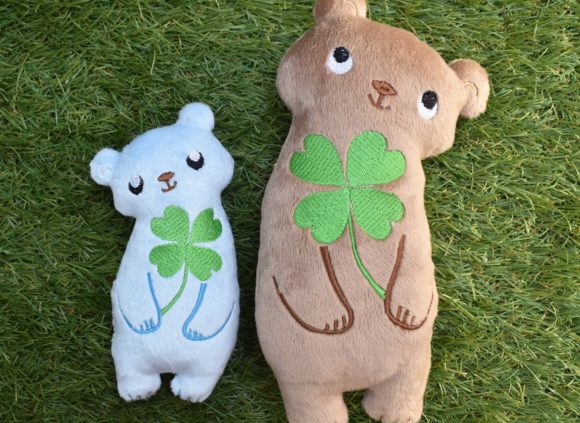
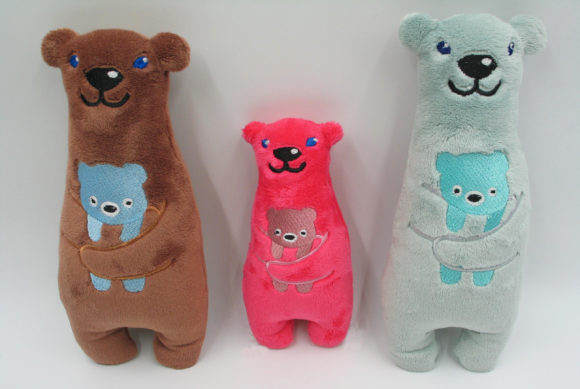
The first thing that strikes you about the Teddy Bear with Little Bear ITH is its inherent warmth. In a sea of modern minimalism and bold typography often seen at craft fairs, this design leans heavily into the "soft" and "nostalgic" categories. It feels like a classic nursery rhyme come to life. For sellers targeting the Baby Animals niche or those creating gifts for new parents, this emotional resonance is gold. The in-the-hoop (ITH) technique suggests a finished, professional edge right out of the hoop, which instantly elevates the perceived value of the finished product. It does not look like a home hobbyist's experiment; it looks like a boutique item ready for a high-end shelf.
Visually, the design balances simplicity with charm. It is not overly busy, which is crucial for a craft fair product where customers only have seconds to scan your table. The relationship between the large bear and the little bear tells a story of protection and love, making it an instant conversation starter. Whether you are an Etsy seller looking to refresh your digital listings or a local maker filling orders for holiday gifts, this design offers a universal appeal that transcends specific trends.
Best Products for Maximum Impact
Not every embroidery file works on every substrate. Through my testing, I found that the Teddy Bear with Little Bear ITH shines brightest on specific items that complement its gentle nature.
- Tote Bags and Market Bags: This is arguably the strongest contender. A natural canvas tote with this design centered becomes an instant bestseller. The tote bag design potential here is huge because parents love carrying their children's essentials in something personalized and soft.
- Aprons and Tea Towels: For the kitchenware section of your booth, this design adds a touch of whimsy. Apron embroidery requires durability, and since this is an ITH design, the edges are likely encased, preventing fraying after multiple washes. Similarly, tea towel embroidery benefits from the clean lines, provided the fabric texture isn't too loose.
- Embroidered Patches: Creating standalone patches is a fantastic way to utilize this file. An embroidered patch allows customers to buy a small, affordable small shop product that they can iron onto jackets or backpacks later. It lowers the price point barrier for hesitant buyers.
- Pillow Covers and Pouches: The ITH nature makes this perfect for zippered pouches or envelope pillow covers. These items feel substantial and gift-ready without needing extra packaging.
While it could work on caps, be cautious. Curved surfaces can distort the alignment of two figures if the design is too wide. For hats, ensure the hoop size accommodates the curve without pulling the fabric.
Production Practicality and Batch Selling
For a business owner, time is money. The description notes that this design is "fun and easy to stitch," which usually translates to reasonable run times and fewer thread breaks. When preparing for a weekend market, repeatability is key. Can you stitch ten of these in a morning? If the stitch density is optimized, the answer should be yes. Unlike complex photorealistic designs that require constant trimming and heavy stabilizer, a character-based ITH design like this typically runs smoothly.
Photography is another critical factor for online sales. This design photographs exceptionally well because the subject matter is clear even in thumbnail images on Etsy or Instagram. When creating a printable mockup for your digital store, the contrast between the bears and the background fabric will pop, driving clicks. For physical booths, the 3D effect of the ITH construction catches the light differently than flat stitching, drawing the eye from across the aisle.
Critical Considerations for Execution
Despite its charm, there are technical aspects you must manage to ensure quality. Because this falls under the Embroidery category of detailed character work, pay close attention to the following:
- Fabric Texture: Avoid using this on highly textured towels or thick fleece unless you have tested it first. Tiny details in the bear's face can get lost in deep pile fabrics.
- Thread Colors: Stick to high-contrast thread colors. If you stitch a brown bear on a dark navy bag, the definition will vanish. Test on scrap fabric with your intended color palette before committing to production inventory.
- Stabilizer Selection: Even though it is an ITH design, the weight of the final product matters. Heavy items like tote bags need cut-away stabilizer to prevent sagging over time, whereas woven tea towels might do well with tear-away.
- Size Clarity: If you plan to scale this down for small accessories like key fobs, ensure the "little bear" doesn't become a blurry blob. Designs lose clarity at smaller sizes, so verify the minimum viable dimension.
Final Verdict for the Creative Entrepreneur
The Teddy Bear with Little Bear ITH is a robust asset for any creative entrepreneur looking to expand their commercial embroidery offerings. It bridges the gap between sentimental gift-giving and practical utility. Its strength lies in its versatility; it transforms a plain piece of fabric into a cherished keepsake. For brand consistency, this design supports a "whimsical family" or "nursery chic" aesthetic perfectly.
Before adding this to your design assets library for mass production, remember to check the specific license terms included with the digital embroidery file. Ensure you have the rights for commercial embroidery if you plan to sell finished goods. Also, confirm the exact hoop requirements and stitch count, as these were not explicitly detailed in the brief description. Once verified, stitch a real mockup, compare it against your current inventory, and watch how it engages buyers. With the right fabric and presentation, this design has the potential to be a staple seller in your handmade shop.