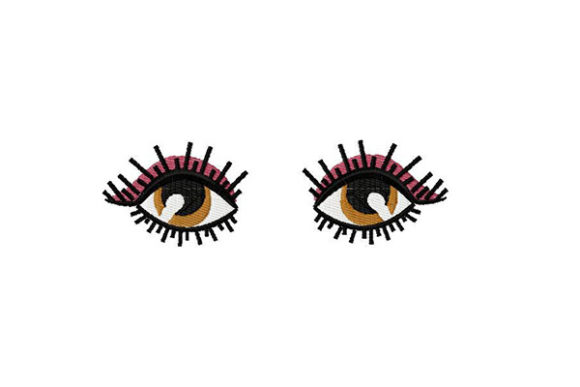
Review: Eyes for Toys, Dolls, Artisanal No3 Design
As an embroidery designer who spends countless hours hooping fabric and threading needles, I know that the difference between a good product and a best-seller often comes down to the details. Recently, I had the opportunity to test the Eyes for Toys, Dolls, Artisanal No3 design for my personalized gift shop. With the holiday season approaching and a surge in requests for custom nursery items and handmade keepsakes, finding a reliable machine embroidery design that delivers both charm and durability is essential. This review breaks down how this specific file performs in a real-world production environment, from the initial digital preview to the final stitched finished product.
First Impressions: Charm and Emotional Appeal
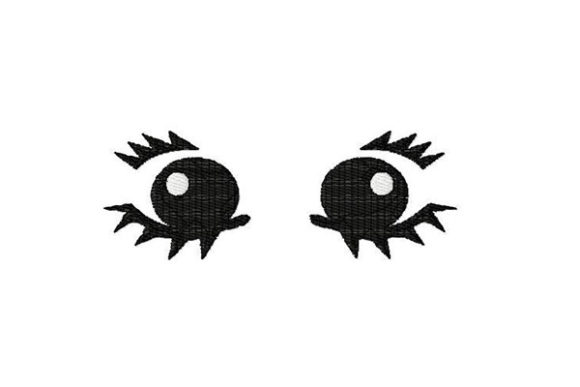
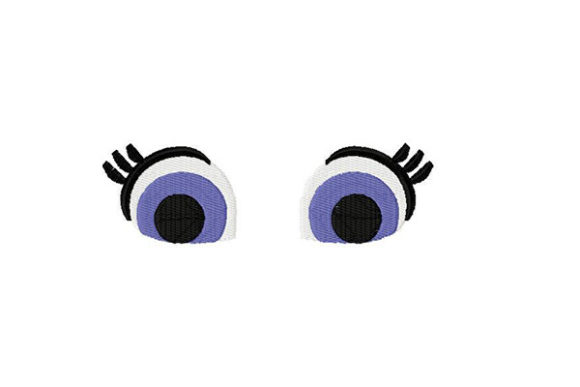
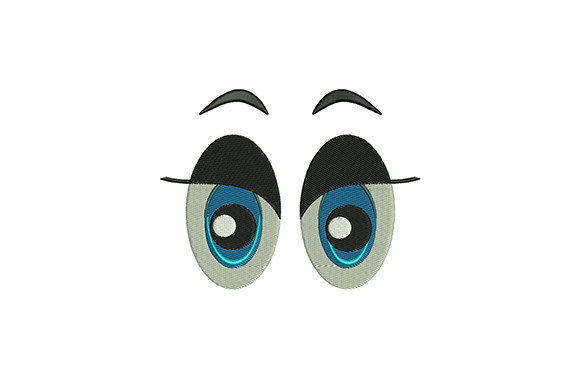
When I first loaded the Eyes for Toys, Dolls, Artisanal No3 into my digitizing software, the immediate impression was one of whimsical warmth. There is a distinct "handmade" quality to the lines that feels incredibly inviting. Unlike some overly rigid digital files that look too mechanical, this design captures a soft, playful mood that is perfect for bringing character to life. It strikes a balance between being sweet and slightly artisanal, making it versatile enough for a rustic boho aesthetic or a modern minimalist nursery.
The emotional appeal here is strong. For parents looking for unique baby embroidery or collectors seeking one-of-a-kind dolls, these eyes serve as the focal point of the item. They suggest personality before a single stitch is even placed on the fabric. Whether you are creating a heirloom teddy bear or adding a face to a felt ornament, the design feels intentional and lovingly crafted. It is not just a graphic; it is an expression of care, which is exactly what customers want when buying a personalized gift.
Versatility Across Product Lines
One of the strongest assets of Eyes for Toys, Dolls, Artisanal No3 is its adaptability. In my shop, we constantly rotate our inventory based on trends, and this file fits seamlessly into multiple categories. Here is how I envision using it across different product lines:
- Nursery Decor: Perfect for blanket embroidery on muslin swaddles or adding character to felt wall hangings.
- Apparel and Accessories: Ideal for custom tote bags, aprons, or even the pockets of children's cardigans.
- Home Textiles: Works beautifully on an embroidered towel for a baby shower gift or a decorative pillow cover for a playroom.
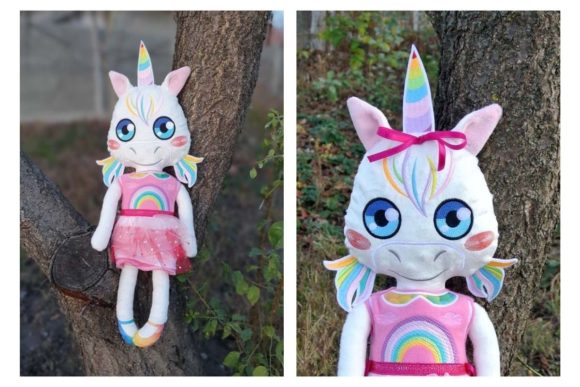
- Artisanal Dolls: As the name suggests, it gives life to self-made dolls, transforming simple fabric shapes into beloved companions.
- Wedding Keepsakes: While playful, the artisanal style can be adapted for whimsical wedding gifts, such as ring bearer pillows or personalized hankies.
For an Etsy seller or small shop owner, this versatility means you can create a cohesive collection without needing to purchase dozens of different files. You can offer a "custom doll" package or a "nursery bundle" featuring this consistent eye design across various items, enhancing your brand identity.
Technical Considerations and Fabric Challenges
While the aesthetic is delightful, practical application requires careful planning. When working with Eyes for Toys, Dolls, Artisanal No3, there are specific scenarios where extra caution is needed to ensure a high-quality result.
First, consider the fabric texture. If you are stitching onto thick terry cloth towels or plush minky fabric, the delicate details of the eyes might get lost if the pile is too high. In these cases, using a topping stabilizer is crucial to keep the stitches clean and visible. Similarly, when working on stretchy baby clothes, the stability of the hoop and the type of stabilizer used will determine whether the design distorts after washing.
Dark fabrics present another challenge. To maintain the charm of the design, you must check thread colors for sufficient contrast. A dark navy eye on a black background will vanish, ruining the effect. Always run a test on scrap fabric that matches your final material to verify visibility. Additionally, curved surfaces like round plush toys can be tricky. Ensure your hoop size accommodates the curve without causing registration issues, or consider breaking the design into smaller sections if the software allows.
Since this design is intended for items that may need frequent washing, such as baby blankets or kitchen towels, reviewing the stitch density is vital. Too dense, and the fabric becomes stiff; too light, and the threads may fray over time. The description notes that the design ensures high quality, but every machine behaves differently. I strongly advise checking the small details after stitching to ensure no gaps or loose threads compromise the longevity of the piece.
Enhancing Perceived Value and Customer Trust
In the world of handmade goods, perceived value is everything. Using a polished, professional file like Eyes for Toys, Dolls, Artisanal No3 instantly elevates the look of a small shop product. Customers can tell the difference between a sloppy, pixelated stitch-out and a crisp, well-defined design. This attention to detail builds trust and encourages repeat business.
Furthermore, this design aids significantly in product photography. The expressive nature of the eyes creates an immediate emotional connection in photos, driving buyer engagement on social media and marketplaces. When a potential customer sees a doll or pillow with such lively features, they imagine the joy it will bring to the recipient. This emotional hook is powerful for converting browsers into buyers.
For those selling digital embroidery files or printable mockups, showcasing this design on various products can help visualize the end result for clients who may not understand the technical side of embroidery. It serves as a excellent example of how custom embroidery can transform a plain item into a treasured keepsake.
Practical Notes for Production
Before running a full batch of orders with Eyes for Toys, Dolls, Artisanal No3, I recommend following this checklist to ensure success:
- Test on Scrap Fabric: Always stitch a sample on the exact material you plan to use for the final order.
- Check Thread Contrast: Verify that your chosen thread colors pop against the background fabric.
- Confirm Hoop Size: Ensure your machine's hoop can accommodate the design dimensions without re-hooping.
- Review Stitch Density: Adjust tension or density settings if the fabric puckers or the stitches look too sparse.
- Use Proper Stabilizer: Match the stabilizer weight to the fabric type, especially for stretchy or textured materials.
- Compare Mockups: Create digital or physical mockups on both light and dark fabrics to anticipate contrast issues.
- Inspect Details: Examine the finished stitch-out under good lighting to catch any missed stitches or loops.
- Verify Licensing: Confirm commercial licensing terms before selling finished products to ensure compliance.
The product description mentions that the design comes with multiple file formats and sizes, making it compatible with a large variety of embroidery machines. However, since specific stitch counts, exact hoop requirements, or detailed license terms were not explicitly provided in the brief, it is imperative to check the downloaded file documentation thoroughly before beginning commercial production.
Final Thoughts
In conclusion, Eyes for Toys, Dolls, Artisanal No3 is a standout choice for anyone in the Toys and Embroidery sector looking to add a touch of soul to their creations. Its ability to convey emotion through simple yet effective stitching makes it a valuable asset for baby product creators, wedding gift designers, and artisan doll makers alike. By paying attention to fabric choices, stabilizer needs, and thread contrast, you can leverage this design to create stunning, high-value products that resonate deeply with customers. Whether you are filling an Etsy shop or fulfilling custom orders for a local boutique, this design has the potential to become a staple in your creative toolkit.