Prim Kitchen Review: A Vintage Embroidery Gem
As an embroidery designer who spends more time staring at stitch maps than most people spend watching television, I am always on the lookout for designs that bridge the gap between nostalgic charm and modern commercial viability. When I stumbled upon Prim Kitchen on Creative Fabrica, my initial reaction was one of immediate curiosity. The preview images suggested a design rooted in history, evoking the warmth of an old-fashioned hearth. For those of us running small businesses or selling on Etsy, finding a machine embroidery design that tells a story without requiring hours of manual digitizing is gold. This review breaks down whether this specific Farm themed asset is ready for your next production run.
Visual Mood and Design Personality
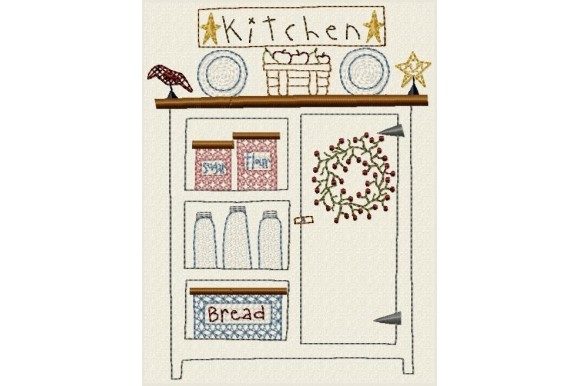
The first thing that strikes you about Prim Kitchen is its atmospheric quality. It does not scream for attention with neon brightness; instead, it whispers with the quiet confidence of heritage crafts. The description hints at "ancient embroidery," and visually, the design leans heavily into that aesthetic. It feels like something you would find stitched onto a linen sack in a 19th-century pantry.
For a designer, the appeal lies in its versatility. While it fits squarely within the Farm category, its application extends far beyond rustic barns. The visual mood is cozy and inviting, making it an excellent candidate for home decor items where comfort is the primary selling point. The level of detail appears sufficient to create texture without becoming a muddy mess of threads, a common pitfall in vintage-style digitizing. If you are looking to expand your catalog with items that feel handmade and soulful, this design personality aligns perfectly with current trends favoring slow living and artisanal goods.
Real-World Application Scenarios
Before committing to a bulk order of blanks, I mentally ran Prim Kitchen through several real-case scenarios typical of a busy embroidery shop. Here is how I see this embroidery file performing across different products:
- Kitchen Towels and Aprons: This is the natural habitat for this design. The theme literally dictates it. Stitching this onto waffle weave towels or heavy cotton aprons creates an instant best-seller for holiday markets or housewarming gifts.
- Tote Bag Design: A canvas tote featuring this motif appeals to the eco-conscious shopper who loves vintage aesthetics. It transforms a simple bag into a statement piece.
- Pillow Covers: Home decor buyers are constantly seeking unique accents. A linen pillow cover with this embroidery adds a layer of textured sophistication to a living room.
- Custom Apparel: While it might be too detailed for a tiny left-chest logo, it shines as a back yoke design on a denim jacket or a central graphic on a loose-fitting linen shirt.
- Handmade Gifts: For personalized orders, this design serves as a beautiful base. Imagine adding a monogram nearby to create a truly personalized gift for a wedding or bridal shower.
Technical Considerations for Production
Every experienced embroiderer knows that a pretty picture on a screen does not always translate to a flawless finished product. When evaluating Prim Kitchen for commercial use, several technical factors must be weighed carefully.
Stitch Density and Fabric Choice: Vintage styles often rely on a mix of satin stitch for outlines and fill stitch for body. If the stitch density is too high, stitching this on lightweight or stretchy fabric could lead to puckering. I recommend testing this on scrap fabric first, specifically on the material you intend to sell. If you are using a textured fabric like a waffle towel, ensure the design has enough running stitch elements to sit flat without sinking into the weave.
Hoop Size Constraints: Always confirm the hoop size requirements listed on the Creative Fabrica product page. If Prim Kitchen requires a large hoop, it may limit your ability to use cap frames or small garment areas. For sweatshirt embroidery, a larger hoop is usually manageable, but for an embroidered patch intended for iron-on application, you need to ensure the dimensions fit standard patch hoops.
Thread Colors and Contrast: The "ancient" look likely suggests muted, earthy tones. However, when moving to dark fabric, you must check if the design includes underlay stitches robust enough to prevent the background color from showing through. Conversely, on light fabrics, ensure the thread colors provide enough contrast to make the details pop. A lack of contrast can make a detailed design look washed out from a distance.
Durability and Washing: Since this design is marketed for kitchen use, the end product will face frequent washing. Inspect small details after your test stitch-out. Are there tiny isolated stitches that might pull out after ten cycles? If the design includes fine lettering or intricate borders, verify that they are secure. Using the proper stabilizer is non-negotiable here; a cut-away stabilizer is often safer for items that will undergo rigorous laundering than a tear-away.
Impact on Brand Value and Customer Engagement
In the crowded marketplace of handmade goods, presentation is everything. Using a cohesive design like Prim Kitchen can significantly enhance your brand consistency. If your shop specializes in cottage-core or farmhouse styles, this asset reinforces your visual identity. It builds buyer trust because the quality of the embroidery reflects the quality of your business.
Furthermore, this design has high "giftability." Products that evoke nostalgia often trigger emotional purchasing decisions. When customers see a well-executed version of Prim Kitchen in your printable mockup or product photography, they can immediately envision it in their own homes. This visual appeal drives customer engagement, leading to more saves, shares, and ultimately, sales. Whether you are listing on Etsy or selling at a local craft fair, a design that looks professional and thoughtful elevates your entire booth or storefront.
Final Verdict and Best Practices
Prim Kitchen stands out as a strong contender for designers looking to add depth to their design assets library. It offers a specific mood that is hard to replicate without custom digitizing. However, success lies in the execution.
Before launching this as a commercial embroidery product, adhere to these final steps:
- Review Licensing: Always check the license terms on the Creative Fabrica product page. Ensure that the license allows for the number of physical sales you plan to make.
- File Compatibility: Confirm that the download includes the specific digital embroidery file formats compatible with your machine (e.g., PES, DST, JEF).
- Test Rigorously: Do not skip the test stitch. Run it on the exact fabric weight and type you plan to use for your inventory.
- Optimize Stabilization: Match your stabilizer choice to the fabric stretch and the design density to ensure a crisp result.
By approaching Prim Kitchen with a critical eye and a strategic plan, you can transform a simple download into a cornerstone of your seasonal collection. It is a reminder that in the world of Embroidery, the right design chosen at the right time can make all the difference between a good product and a great one.