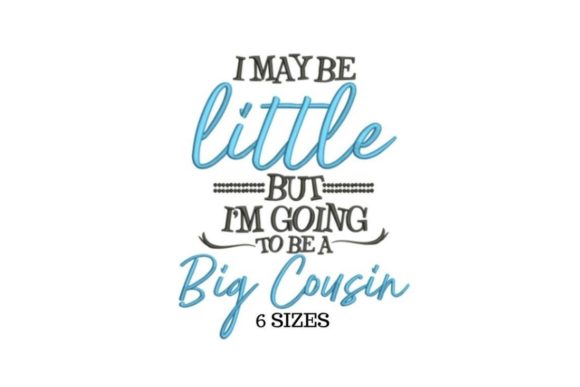
Little Cousin Embroidery Design
As an embroidery designer and product reviewer, I always start by evaluating a design’s visual appeal, practicality, and suitability for real-world use. The Little Cousin machine embroidery design is a charming option for personal and commercial projects, especially when it comes to baby-related gifts or personalized apparel. Its simple yet endearing theme makes it ideal for customizing items like t-shirts, tote bags, or baby clothes.
The First Impression
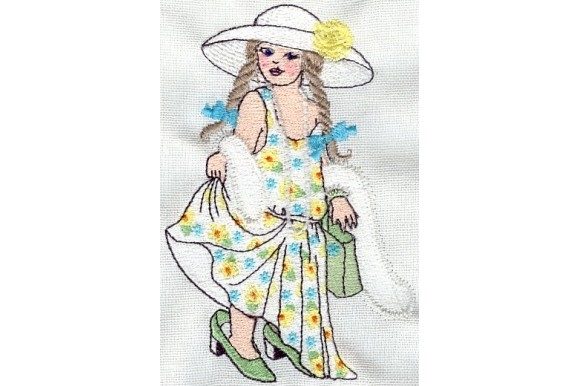
From the moment I viewed Little Cousin, it felt like a design that would resonate with parents looking for a heartfelt, handmade gift. The layout is clean and focused, with a central image that suggests a small child or a cute cousin figure. The design has a soft, approachable aesthetic that works well with both modern and traditional styles.
The level of detail is moderate, which means it’s not overly complex but still offers enough visual interest to stand out on fabric. It seems to be designed with a balance between simplicity and charm, making it versatile for different types of embroidery projects.
Real-Life Use Cases
Imagine preparing a custom embroidered tote bag for a baby shower. Little Cousin could be a perfect fit, adding a personal touch that feels thoughtful and unique. When stitched onto a cotton tote, the design looks neat and professional, especially if using a high-quality stabilizer and appropriate thread colors.
It also works well as a sweatshirt embroidery, particularly for casual, family-oriented events. The design isn’t too large, so it can be placed on the chest or sleeve without overwhelming the garment. For baby clothes, it could be used on onesies or blankets, creating a memorable keepsake.
Another great application is as an embroidered patch. Whether you’re making a custom jacket or a backpack, Little Cousin adds a subtle, personal flair that stands out without being too flashy.
Performance in Different Projects
When working with Little Cousin, I found that it performs best on flat, smooth fabrics like cotton or polyester blends. It’s not ideal for textured materials, as the stitch density might cause the design to look uneven or distorted.
For smaller hoop sizes, the design may require some adjustment, as the details could be too fine to capture properly. If you're planning to use it on a cap or hat, you’ll need to ensure the hoop size accommodates the design’s dimensions. Stretchy or thin fabrics can also be tricky, as they may cause the stitches to pucker or stretch out of shape.
On dark fabrics, the design may need a contrasting thread color to ensure visibility. Light-colored fabrics work well with standard thread shades, but it’s always a good idea to test the design on scrap material before committing to a final project.
Where to Be Careful
While Little Cousin is generally straightforward, there are a few areas where caution is needed. If you're working with a design that includes intricate corners or tiny lettering, you may need to adjust the stitch density to prevent the design from looking jagged or incomplete.
For layered garments or curved surfaces, the design may require additional stabilization to maintain its shape. This is especially true for items like caps or aprons, where the fabric curves or stretches during the embroidery process.
If you're planning to use Little Cousin for commercial purposes, make sure to check the licensing terms. Some designs may have restrictions on how they can be used, especially if you're selling finished products or digital embroidery files.
Impact on Visual Appeal and Customer Trust
When it comes to visual appeal, Little Cousin delivers a warm, inviting look that fits well with baby-themed or family-oriented projects. Its simplicity allows it to blend seamlessly into various designs, making it a reliable choice for handmade products or personalized gifts.
Stitching clarity is another important factor. With proper setup—like the right stabilizer and thread colors—the design maintains its integrity, ensuring that the final product looks polished and professional. This is crucial for small business owners and Etsy sellers who rely on quality craftsmanship to build customer trust.
As a personalized gift, Little Cousin adds a meaningful touch that customers will appreciate. It’s easy to recognize and remember, making it a strong choice for holiday gifts, wedding presents, or special occasion items.
Practical Designer Notes
Before jumping into a full project, I always recommend testing Little Cousin on scrap fabric. This helps you see how the design looks in real life and identify any potential issues with stitching or fabric compatibility.
Check the thread color contrast, especially if you're using dark or patterned fabrics. A mismatched thread can make the design look dull or unprofessional. Also, review the stitch density to ensure it's suitable for your chosen fabric type.
Confirm the hoop size required for the design, and make sure your machine can accommodate it. Inspect the small details closely, as even minor imperfections can affect the overall appearance of the finished product.
Test the design in black and white mockups to see how it looks without color. This helps you evaluate the composition and layout before choosing the final thread colors. Compare it on both light and dark backgrounds to ensure it remains visible and appealing in all settings.
Finally, always use the proper stabilizer for your fabric type. This ensures that the design stays in place and doesn’t shift during the embroidery process. Whether you're working on a handmade product or a commercial embroidery project, these steps can make a big difference in the outcome.