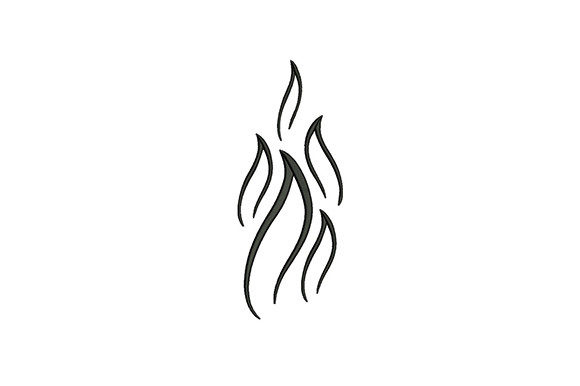
Light Windy Fire: A Designer's Review for Brand Merch
As an embroidery designer who has spent years digitizing and testing files for commercial use, I approach every new machine embroidery design with a critical eye. It is not enough for a file to look pretty on a screen; it must withstand the rigors of production, maintain its integrity on various fabrics, and elevate the brand identity of the business using it. Today, I am reviewing "Light Windy Fire," a monochrome embellishment that promises simplicity and meaning. For small business owners, Etsy sellers, and apparel decorators, this review breaks down how this design performs in real-world scenarios, from staff uniforms to branded patches.
First Impressions: Visual Personality and Professionalism
The title "Light Windy Fire" immediately evokes a sense of movement and warmth. Based on the description highlighting its simple and monochrome nature, this design feels both rustic and modern. In the world of Camping and outdoor lifestyle branding, fire motifs are timeless, but the execution here leans towards elegance rather than aggressive boldness. The lack of complex color gradients suggests a focus on clean lines and negative space, which is often a hallmark of premium, handmade aesthetics.
For a boutique or creative studio, this visual personality is a strong asset. It avoids the cluttered look of low-quality clipart, offering instead a refined silhouette that speaks to quality craftsmanship. Whether placed on a kraft paper package or stitched onto a canvas tote, the design projects a feeling of authenticity. It is decorative without being overwhelming, making it an excellent candidate for businesses that want their merchandise to feel curated rather than mass-produced.
Real-World Application for Small Business Merch
When evaluating a digital embroidery file for commercial use, versatility is key. "Light Windy Fire" shines in several specific applications for small business merch:
- Embroidered Patches: This is arguably the strongest use case. A monochrome fire design works exceptionally well as an iron-on or sew-on patch. It can serve as a collectible item for customers or a subtle brand marker on jackets and bags.
- Staff Uniforms and Aprons: For a bakery, florist, or café, apron embroidery needs to be durable and legible. The simple lines of this design ensure that even after hundreds of washes, the logo remains recognizable. It adds a touch of warmth to the staff's appearance without distracting from their work.
- Cap Embroidery: Placing this design on the side panel or front of a baseball cap creates a stylish, understated look. The "windy" aspect of the flame suggests motion, which looks dynamic on the curved surface of a hat.
- Tote Bag Design: Canvas totes are staples for market vendors. Stitching this motif near the bottom corner or centered on the pocket transforms a generic bag into a branded asset that customers will actually want to carry.
In each of these scenarios, the design acts as a silent ambassador for your brand. It reinforces customer trust by showing attention to detail. When a client receives a product with a high-quality stitched logo, the perceived value of the finished product increases significantly compared to a printed label.
Technical Considerations and Production Challenges
While the aesthetic appeal is high, a professional designer must also address the technical realities of stitching "Light Windy Fire." Because the design is described as simple and monochrome, there are specific areas where caution is required to ensure a flawless result.
First, consider the stitch density. Simple designs sometimes rely on long runs or sparse filling to achieve a "sketchy" or airy look. If the density is too low, the design may not hold up on textured fabrics like heavy canvas or Terry cloth. Conversely, if the density is too high on a lightweight fabric, it could cause puckering. Always test the file on the actual material you intend to use before committing to a large production run.
Second, pay close attention to thread colors and contrast. Since this is a monochrome design, your choice of thread defines the entire look. On dark uniforms, a light thread is essential for visibility. However, ensure that the thread sheen complements the fabric; a matte thread on a shiny satin apron might look flat, while a rayon thread on denim pops beautifully.
There are also limitations regarding size. If you plan to use this as a tiny chest logo or a small tag, verify that the fine details of the "windy" flames do not merge together. Tiny lettering or intricate outlines can become a blob of thread if scaled down too far. Additionally, when working on curved surfaces like caps, ensure the hoop size and stabilizer selection are appropriate to prevent distortion during the stitching process.
Enhancing Brand Identity and Customer Engagement
Beyond the mechanics of stitching, "Light Windy Fire" serves a strategic role in building a cohesive brand story. In a crowded marketplace, visual consistency is vital. Using this design across various touchpoints—such as hang tags, packaging accents, and employee apparel—creates a unified language that customers begin to recognize.
For handmade brands, the presence of embroidery signals effort and care. It differentiates your products from drop-shipped goods. When a customer sees a well-executed embroidered patch on a product they purchased, it fosters a deeper emotional connection. It suggests that the brand values longevity and quality. This perception directly influences buyer engagement and can turn one-time purchasers into loyal advocates who proudly display your branded merchandise.
Practical Designer Notes for Implementation
Before integrating "Light Windy Fire" into your product line, I recommend following this checklist to ensure professional results:
- Test in Black and White First: Even though it is monochrome, view the design in high-contrast black and white on your screen to check for spacing issues.
- Verify Scale: Check if the design holds its shape at the smallest size you intend to use, particularly for patches or sleeve details.
- Select the Right Stabilizer: Match your stabilizer to the fabric texture. Cut-away stabilizers are often best for items that will undergo frequent washing, like aprons and work shirts.
- Create a Printable Mockup: Before stitching, generate a printable mockup to show clients or visualize the placement on different garments.
- Compare Design Assets: Place this file beside your existing logos and graphics to ensure it complements your current visual ecosystem.
- Confirm Licensing: Most importantly, verify the commercial licensing terms. Ensure the embroidery file allows for unlimited production runs if you plan to sell thousands of units.
Note that specific technical details such as exact stitch count, supported file formats, and precise hoop requirements were not provided in the base description. It is crucial to check these specifications with the file provider before beginning production to avoid compatibility issues with your machine.
In conclusion, "Light Windy Fire" offers a compelling blend of simplicity and meaning that fits perfectly within the Camping and lifestyle sectors. With careful attention to fabric choice, stabilization, and scaling, it can become a cornerstone of your small business's visual identity, adding tangible value to every item it adorns.