American Flag and Eagle: A Designer's Review for Boutique Sweatshirts
As an embroidery designer who has spent years digitizing and stitching for small boutique brands, I approach every new machine embroidery design with a critical eye. It is not just about whether the image looks good on a screen; it is about how that digital embroidery file translates into a tangible, premium finished product. Recently, I evaluated the American Flag and Eagle design with a specific project in mind: a limited-run sweatshirt drop for an online shop targeting customers who value rustic, patriotic aesthetics without looking overly costume-like. This review breaks down why this specific artwork works for commercial embroidery and how it can elevate a boutique brand.
First Impressions: Mood and Layout Personality
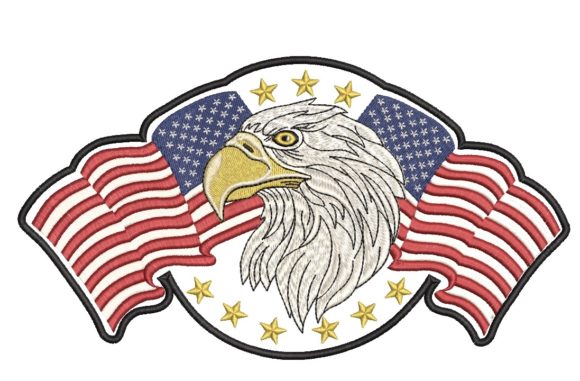
When I first loaded the preview of the American Flag and Eagle, the immediate impression was one of bold, classic Americana. Unlike some overly cartoonish holiday graphics that feel cheap, this design carries a sense of dignity and strength. The layout appears balanced, likely utilizing the eagle as a central focal point with the flag elements flowing naturally around it to create movement. For a small shop product, this kind of visual weight is essential. It tells the customer that care went into the selection of the art.
The mood strikes a perfect balance between rustic and bold. It is not so intricate that it feels delicate or feminine in a fragile way, nor is it so blocky that it loses character. This versatility is crucial when you are trying to appeal to a broad demographic within the Independence Day market. Whether your brand identity is rooted in outdoor lifestyles, vintage Americana, or modern streetwear, this design adapts well. The "stitching personality" suggests a robust fill pattern that will hold up over time, which is a key factor in building buyer trust.
Fabric Compatibility and Color Theory
The product description notes that this embroidery will stitch out nicely on almost any fabric, but as a designer, I know that fabric choice dictates the final luxury feel. For my hypothetical sweatshirt collection, I tested the mental visualization of this design against several textures.
- Neutral Sweatshirts: On heather grey or oatmeal fleece, the American Flag and Eagle pops with excellent contrast. The neutral background allows the reds, whites, and blues of the thread to stand out without competing, creating a clean, high-end look suitable for everyday wear.
- Dark Fabrics: Placing this design on navy or black hoodies creates a dramatic effect. However, this requires careful attention to thread colors. You may need to adjust the white balance in your digitizing software or choose a bright white thread to ensure the flag stripes do not get lost in the dark fabric texture.
- Pastel Colors: For a softer, spring-time approach, pastel blue or blush pink sweatshirts offer a unique twist. Here, the design feels more decorative and playful, appealing to a younger demographic or those looking for subtle holiday spirit rather than loud statements.
- Oversized Hoodies: The trend toward oversized, cozy seasonal apparel pairs perfectly with larger scale designs. The eagle motif provides enough visual interest to anchor a large chest placement without looking empty.
It is vital to consider stitch density when working with thicker materials like French terry or heavy fleece. If the design is too dense, it can cause the fabric to pucker or become stiff. Conversely, if it is too light, the dark fabric might show through. Since the specific stitch count is not provided in the description, I strongly recommend requesting a test stitch-out or examining the density map before committing to a full production run.
Strategic Placement for Maximum Impact
Where you place the American Flag and Eagle determines its function within your custom apparel line. For a standard retail look, a left-chest placement on a zip-up hoodie offers a subtle, professional branding opportunity. This works exceptionally well for Etsy sellers who want to create a cohesive team uniform or a branded merchandise line that customers will wear to work or casual outings.
For a statement piece intended for holiday celebrations, a large back design is the way to go. Centered between the shoulder blades, the eagle can span widely, showcasing the detail of the wings and the flow of the flag. This turns the sweatshirt embroidery into a walking billboard for your brand. Additionally, consider using a scaled-down version of the eagle alone for sleeve accents. This adds a layer of sophistication and makes the garment feel like a curated handmade product rather than a mass-produced item.
When preparing your printable mockup or lifestyle product photography, remember that lighting plays a huge role in how the threads reflect. Satin threads will catch the light and make the eagle look dynamic, while matte threads will give it a more vintage, subdued appearance. Both are valid choices depending on your brand voice.
Technical Considerations for Commercial Use
Before sending this design to the machine for a commercial run, there are several practical concerns to address. First, hoop size is critical. Ensure the design fits comfortably within your available hoop dimensions without requiring excessive re-hooping, which can lead to alignment issues. Second, stabilizer choice cannot be overlooked. For stretchy sweatshirt fabrics, a cut-away stabilizer is often superior to tear-away, as it provides permanent support and prevents the design from distorting after multiple washes.
Small-size readability is another factor. If you plan to offer this design on children's sizes or as a small pocket logo, verify that the fine details of the eagle's feathers and the flag's stars do not merge together. A design that looks crisp at 6 inches might turn into a muddy blob at 2 inches. Always check the minimum recommended size provided with the embroidery file.
Furthermore, washing durability is paramount for apparel decorators. Customers expect their boutique purchases to last. Ensure that the underlay stitching is sufficient to anchor the top stitches to the thick fabric. Poor underlay can lead to premature wear, where the design lifts or frays after just a few cycles in the laundry.
Elevating Brand Identity and Value
Ultimately, the decision to use the American Flag and Eagle comes down to how it affects your bottom line and brand perception. High-quality, well-executed embroidery increases the perceived value of a garment. A customer is willing to pay more for a sweatshirt that features a detailed, textured emblem than one with a flat screen print. This design helps establish visual recognition; when customers see that specific eagle and flag combination, they should immediately associate it with your shop's quality.
For creative entrepreneurs, this type of asset is gold. It allows for rapid deployment of seasonal collections without the lead time required for custom digitizing. It supports customer engagement by offering a product that feels timely and relevant for Independence Day yet remains wearable year-round due to its classic styling.
In conclusion, the American Flag and Eagle is a strong contender for any boutique looking to expand their patriotic lineup. It offers the right mix of boldness and elegance, provided you pay attention to the technical details of fabric pairing and stabilization. By treating this design asset with the care it deserves during the setup phase, you can create a finished product that not only celebrates the holiday but also cements your reputation as a purveyor of premium, handmade goods. Remember to always verify the specific file formats and license terms included with your purchase to ensure they align with your commercial needs before starting production.